Start with work geometry
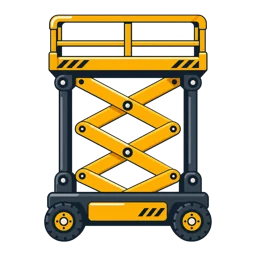
- Vertical, directly below the task: Scissor lifts fit when there’s clear floor space under the work. See /electric-scissor-lift-rental/ for interiors and /rough-terrain-scissor-lift-rental/ for exterior or unfinished surfaces.
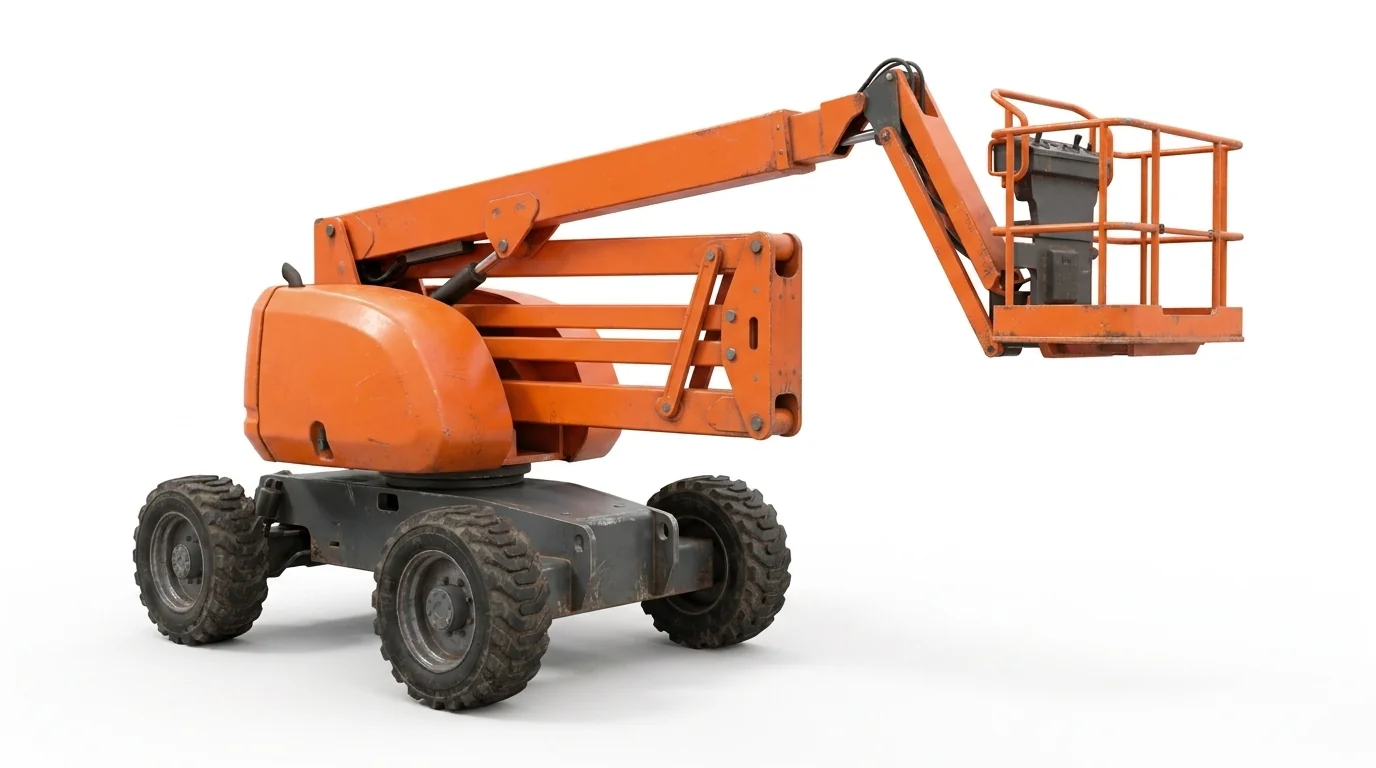
- Up-and-over around equipment, canopies, or architectural features: Articulating boom lifts provide jointed reach to clear obstacles. See /boom-lift-rental/.
- Long, straight outreach along façades or utility runs: Telescopic boom lifts deliver horizontal distance with stable positioning. See /boom-lift-rental/.
Evansville conditions that influence selection
- Heat and humidity push many interior tasks toward electric drives and compact footprints.
- Silty soils can become soft after wet weather, steering exterior work toward rough-terrain platforms or booms with appropriate tires and clearance.
- Regional projects may span multiple communities; each site’s ground and clearance limits still govern the final pick.
Narrow by height, width, and surface
- Required platform height or platform-to-target distance sets the class.
- Stowed width and height must match doors, gates, and transport paths common in local industrial and commercial properties.
- Surface type—finished slab, compacted gravel, or mixed fill—determines whether slab scissor, rough-terrain scissor, or boom lift is viable.
Complementary equipment
- For tight interiors with very small footprints, see /vertical-mast-lift-rental/.
- For material handling at height, see /telehandler-rental/ or /forklift-rental/.
Actual site and weather conditions, the selected unit’s instructions, and site procedures govern elevated work. Confirm ground bearing, overhead obstructions, and route constraints before committing to a category.