Articulating vs. telescopic: decide by obstacle and offset
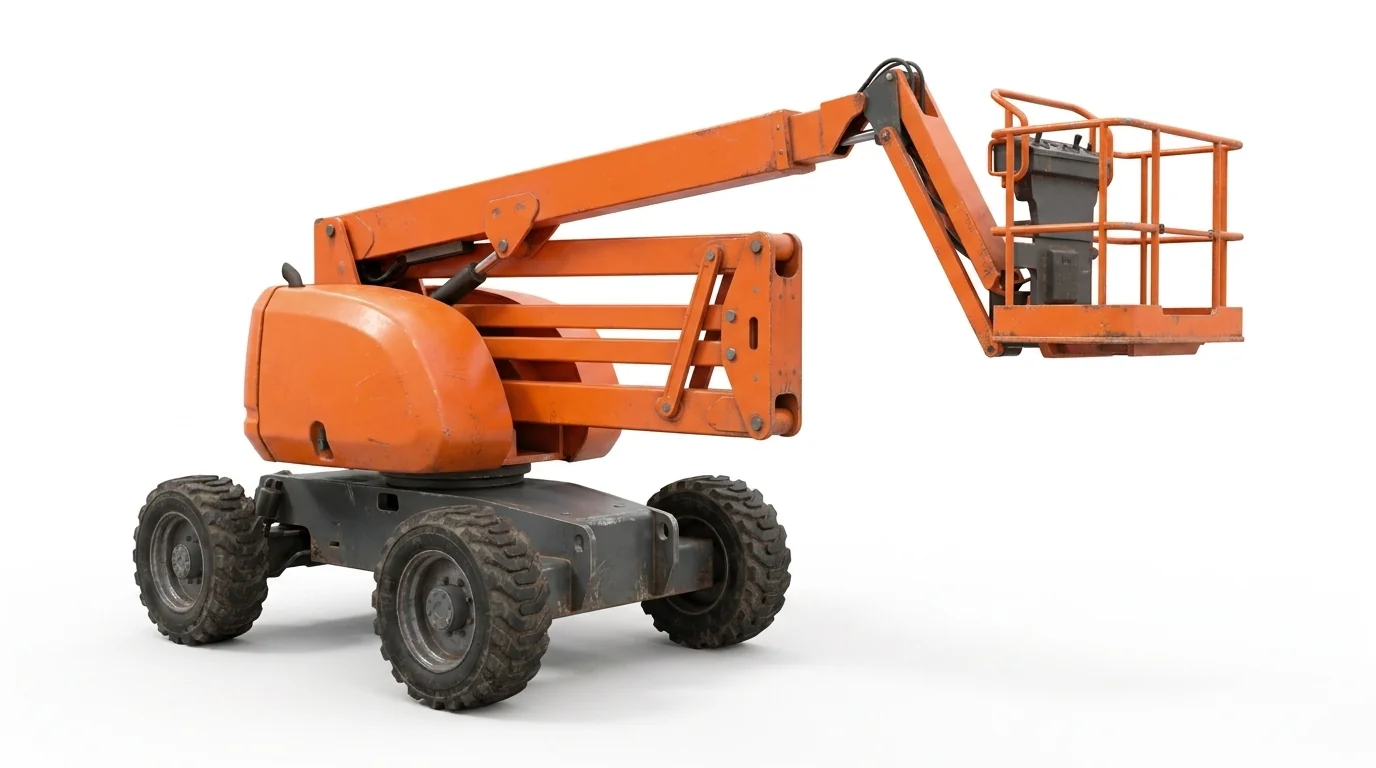
- Articulating booms: Multiple joints navigate up-and-over paths around pipe runs, canopies, and setbacks. Useful near building perimeters and crowded industrial layouts.
- Telescopic booms: Straight mast sections prioritize horizontal reach along long façades, utility corridors, and open yards where side distance to the target is the main need.
Evansville conditions that affect boom planning
- After wet weather, silty soils can feel firm on top yet deform under load. For exterior tasks, consider ground clearance and tire type suitable for unfinished surfaces.
- Summer heat increases the value of low-emission operation near intakes and doors. Electric or hybrid options may fit certain interior-adjacent zones; verify ventilation and clearance.
Sizing checkpoints
- Required horizontal offset from the base to the work point sets the boom class.
- Overall width and tail swing must clear gates, dock areas, and staging lanes common in local industrial properties.
- Platform capacity must reflect tools and materials typical of maintenance and install work.
When a scissor is enough
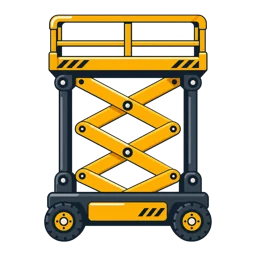
If you can place the machine directly below the task with clear overhead and a compatible surface, a scissor lift may be simpler. See /electric-scissor-lift-rental/ for interior slabs or /rough-terrain-scissor-lift-rental/ for exterior surfaces.
Related gear for material positioning
- For placing pallets or bundles at height in yards or along façades, see /telehandler-rental/.
- For compact, vertical-only access inside tight areas, see /vertical-mast-lift-rental/.
Actual exterior or elevated conditions, the selected unit’s instructions, and site procedures govern use. Confirm ground bearing, route widths, overhead conflicts, and weather windows before finalizing a boom type.